All articles
Page 8 of 12
 LLM Economics
Renting vs Owning AI: When Do Open Models Beat Frontier APIs on Cost?
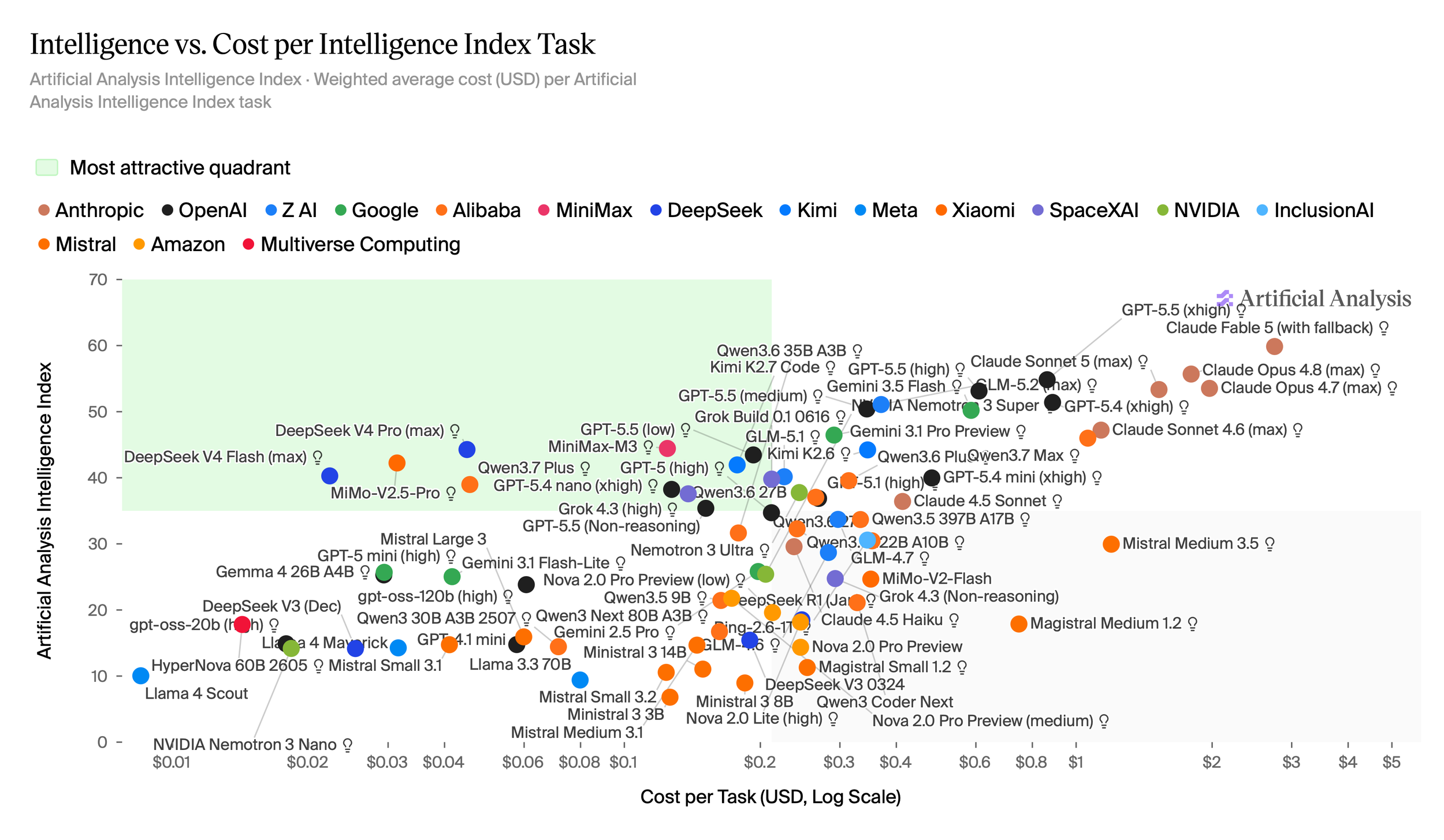
Companies typically start on frontier APIs and shift work to open models as usage scales, so rent versus own is a break-even calculation driven by volume and task mix, not an ideological choice.
 LLM Economics
Token Pricing Economics: Will LLM Providers Keep Their Pricing Power?
Benedict Evans argues that today's token prices reflect a temporary supply crunch and that every visible market dynamic points toward frontier models becoming commodity infrastructure, which means founders should plan for falling LLM costs rather than assume today's rate cards.
 LLM Economics
Paying Twice for AI: What Nadella's Warning Means for Your LLM Costs
Satya Nadella argues that companies buying proprietary AI pay twice, once in cash for tokens and again in the proprietary knowledge their usage teaches the model, and that second payment should change how you count AI costs.
 Founder Guides
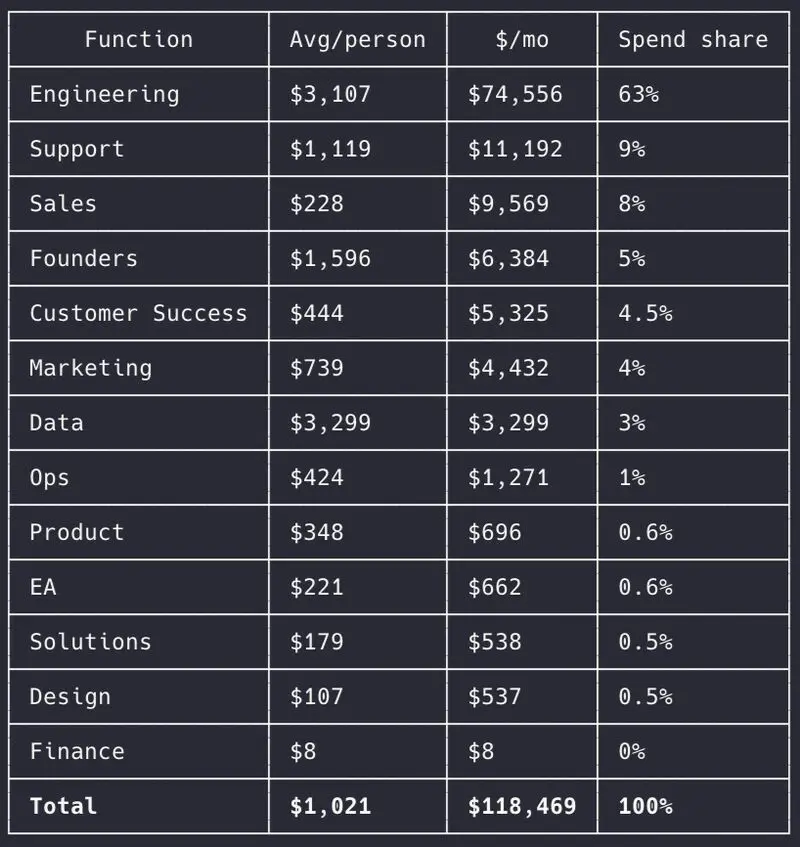
The AI Cost Crisis Is Self-Inflicted: How to Control LLM Spend Without Killing Adoption
Most runaway AI bills come from panic-driven defaults rather than workload needs, and a five-step governance framework can pull spend back without slowing adoption.
 LLM Economics
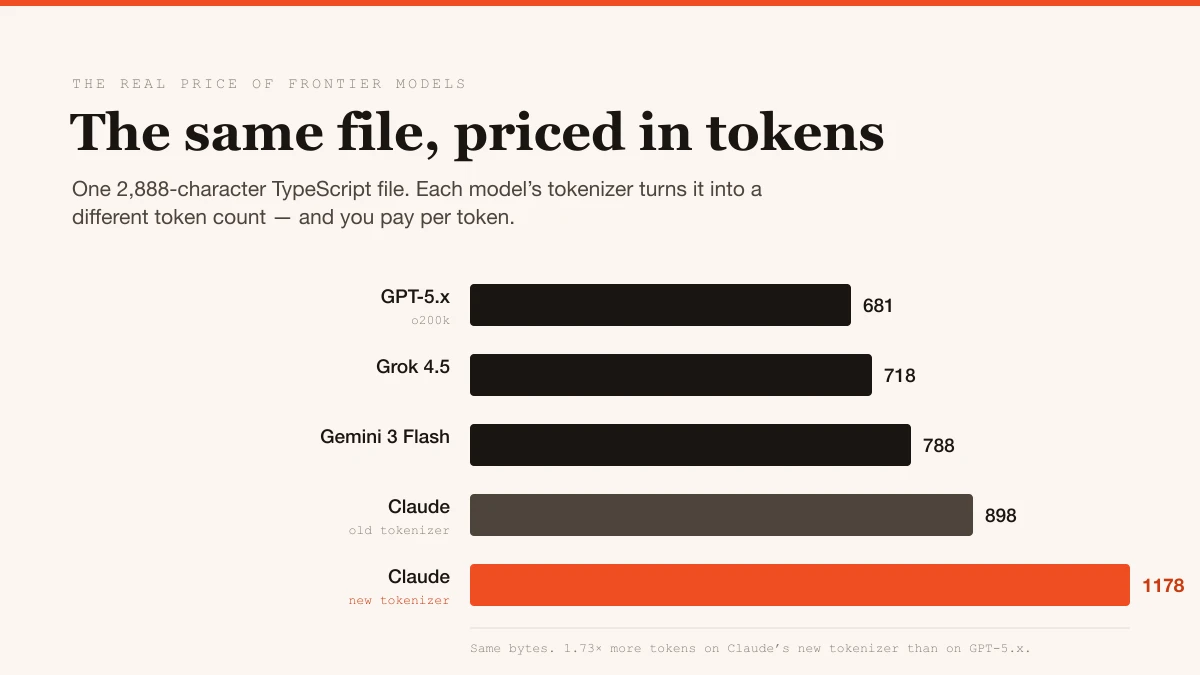
Tokenizer Inflation: Why $/1M Token Prices Are Not Comparable Across LLMs
The same file can become up to 73% more tokens on one frontier model than another, so a $/1M token price is only comparable after you adjust for each model's tokenizer.
How to Think About Token Pricing: 4 Mental Models for AI Founders
A recent Hacker News front-page debate about LLM token pricing keeps circling four mental models, and the one you adopt quietly determines how your product should be priced.
 Founder Guides
LLM Cost Optimization for Founders: Finding the 40-60% of Token Spend You Are Wasting
Field audits cited by TrueFoundry suggest 40-60% of production LLM token budgets go to redundant calls, oversized models, and ungoverned pipelines, and most of that waste can be located with an afternoon of log analysis.
 LLM Economics
The $3 Trillion AI Question and the Only Version of It You Can Answer
Sequoia's David Cahn now estimates 2026 AI infrastructure spending at $1.5 trillion, implying roughly $3 trillion in revenue to justify it, a question no founder can answer at industry scale but every founder must answer at product scale.
 Pricing Strategy
Claude's India Pricing: What Regional Pricing Really Means for AI Products
Anthropic has started listing rupee-denominated Claude plans in India, its second-largest market, and the numbers show regional pricing is mostly about removing payment friction, not cutting prices.
Token Economics for AI Budgets: Why Falling LLM Prices Don't Lower Your Bill
The FinOps Foundation argues that tokens are the atomic unit of AI value, and that consumption growth and workload mix, not falling per-token list prices, now determine what organizations actually spend.
 LLM Economics
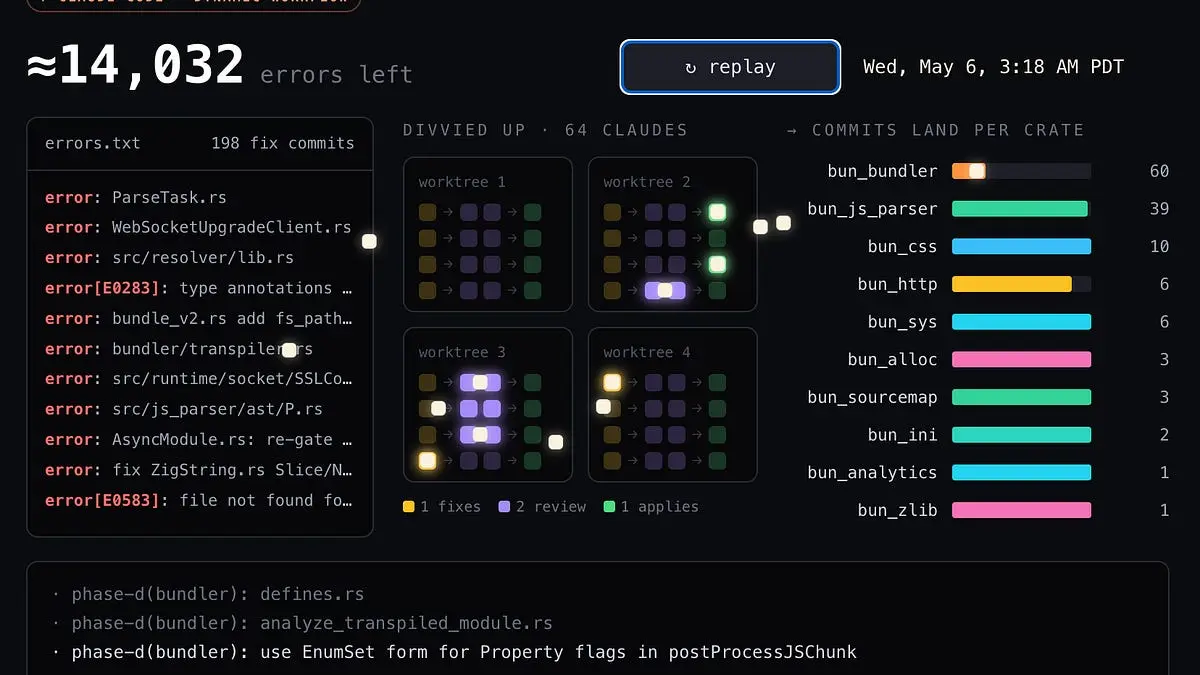
The $165K Rewrite: What Bun's 11-Day AI Migration Says About Token Economics
Bun's team compressed a Zig-to-Rust migration estimated at 1-2 years of engineering into 11 days by spending roughly $165K on AI coding agents, one of the clearest public datapoints yet on what large token budgets actually buy.
 LLM Economics
GPU Cost Per Million Tokens in 2026: What Self-Hosting an LLM Really Costs
Fresh benchmarks across five GPU types put self-hosted LLM inference between $0.16 and $3.58 per million tokens, but your real cost is set by utilization, not by the GPU's hourly rate.
Pricing math, in your inbox.
One short note a week on AI pricing, token economics, and margin. No spam, unsubscribe anytime.