All articles
Page 6 of 12
 Pricing Strategy
How to Price AI Products: Founder-Owned Pricing, Surprise Bills, and Inference Margins
The short answer from operators at Aiven and Stripe: a founder should own pricing personally, treat it as an iterative computation rather than a one-time decision, and only pass inference through at cost when inference is not the value you sell.
 LLM Economics
DeepSeek's API Price Hike: Why Cheap Tokens Were Never a Strategy
DeepSeek announced on August 6, 2026 that it will raise API prices by a relatively large margin, and the smartest response for AI builders is to model their exposure now, before the number lands.
 LLM Economics
LLM API Pricing Comparison 2026: GPT, Claude, Gemini and DeepSeek by Blended Cost Per Million Tokens
The cheapest LLM API in August 2026 is DeepSeek V4-Flash at $0.14/M input and $0.28/M output, but the number that decides your gross margin is the blended rate for your own input:output mix, not any provider's headline input price.
 LLM Economics
Open-Weight vs Frontier LLMs: How to Model the Real Cost Difference
Open-weight models are close enough to frontier quality that the switch is now a pricing decision, but the per-token sticker price hides the serving, safety and compliance work the API price was quietly covering.
 LLM Economics
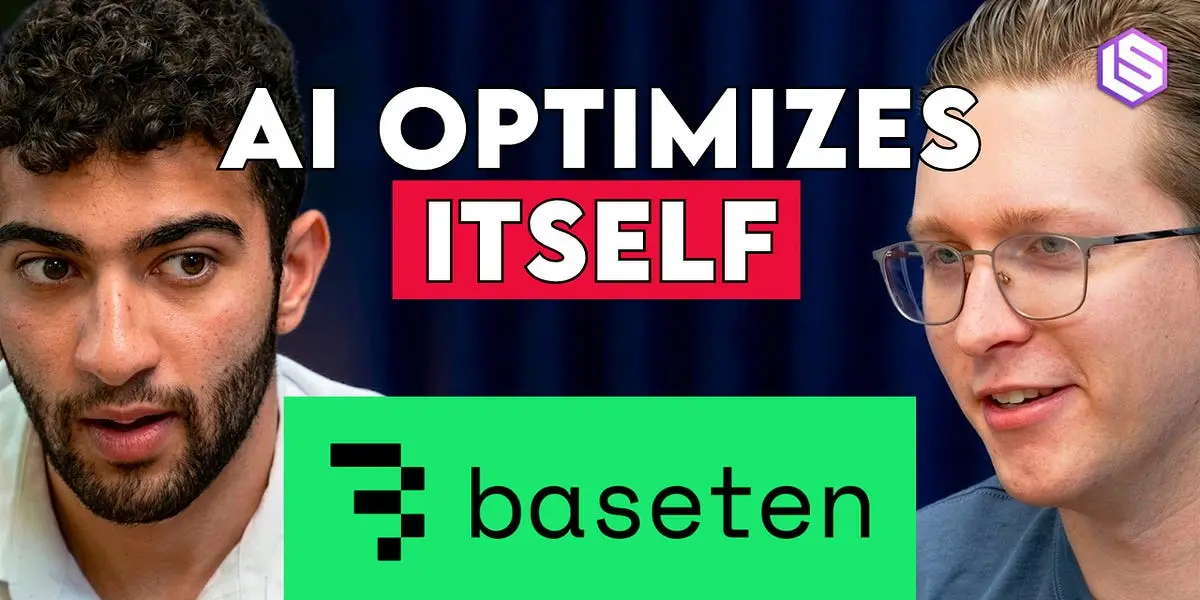
Inference Engineering Is a Gross Margin Lever, Not an Infra Detail
Inference engineering is the discipline of turning model weights into a fast, affordable production API, and the throughput gains it produces land in someone's gross margin: yours if you serve the model, your provider's if you buy tokens.
Open-Weight Models and Your LLM Cost Per Token: What DeepSeek V4 Flash Actually Changes
An open-weight model landing within a few points of the frontier does not automatically cut your AI bill: your real cost per token is set by how many tokens you consume, how fast you can serve them, and whether you own the hardware at all.
 Founder Guides
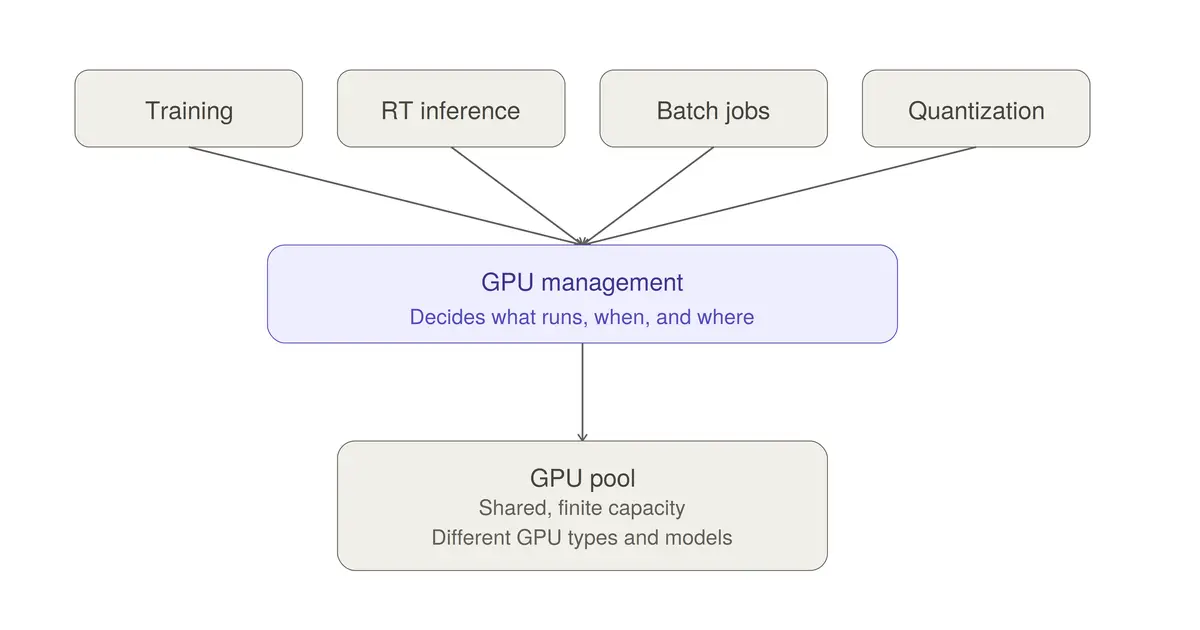
Idle GPUs Are the Most Expensive Line in Your AI Budget
An owned GPU bills you by the calendar hour but only earns by the compute hour, so the utilisation number you assume in your build-versus-buy spreadsheet quietly decides whether the whole decision was right.
 LLM Economics
LLM Prices Fell 13x in Four Months: What That Actually Does to Your AI Margins
Frontier-level intelligence now costs roughly one-thirteenth what it did four months ago, but a 13x cut in list price only becomes a 13x cut in your COGS if you re-route workloads and hold token consumption flat.
Flat AI Pricing Is a Subsidy: One User Burned $30,983 of Tokens on a $200 Plan
Flat AI subscriptions only work while heavy users stay rare: one developer consuming roughly $30,983 of token value on a $200 per month plan is about a 155x gap between what was paid and what it cost to serve.
 LLM Economics
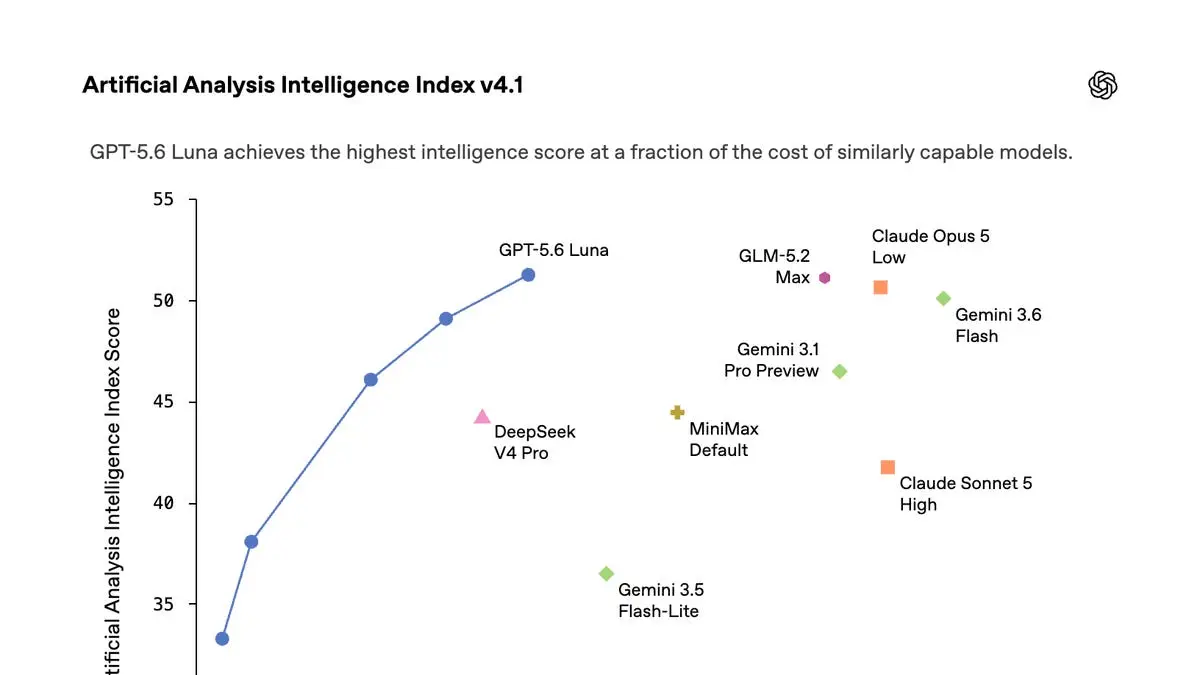
OpenAI's GPT-5.6 Price Cut: What Luna at $0.20 and Terra at $2 Do to Your Margins
Starting July 30, 2026, GPT-5.6 Luna costs $0.20 per 1M input tokens and $1.20 per 1M output tokens (an 80% cut), and Terra costs $2 and $12 (a 20% cut), which means the biggest saving for most teams comes from re-routing workloads rather than from the discount itself.
 LLM Economics
Cheaper Tokens Do Not Equal Better Margins: What GPT-5.6's Efficiency Push Means for Your AI Unit Economics
Provider efficiency gains only reach your P&L if your own architecture captures them: your prompt-cache hit rate, your agent loop length, and your model tiering decide whether a 20% serving-cost cut becomes 20% of margin or nothing at all.
 Pricing Strategy
What Cursor's $7 India Plan Teaches AI SaaS Founders About Geographic Pricing
Cursor just launched a roughly $7-a-month India-only plan, a third of its $20 Pro price, and the trick that makes it sustainable is routing those users to its own cheaper models instead of frontier third-party ones.
Pricing math, in your inbox.
One short note a week on AI pricing, token economics, and margin. No spam, unsubscribe anytime.