LLM Economics
Token math, model selection, and the true unit cost of every generation.
Page 6 of 8
 LLM Economics
GPU Cost Per Million Tokens in 2026: What Self-Hosting an LLM Really Costs
Fresh benchmarks across five GPU types put self-hosted LLM inference between $0.16 and $3.58 per million tokens, but your real cost is set by utilization, not by the GPU's hourly rate.
 LLM Economics
Open Source vs Frontier AI: Why Volume and Spend Tell Opposite Stories
Short answer: open-source models are winning token volume while frontier labs keep most of the spend, because the two serve different phases of the same lifecycle, discovery versus production.
 LLM Economics
Provider Substitution: The AI Cost-Cutting Lever Microsoft Just Pulled
Microsoft is now routing a share of Excel and Word prompts to its own MAI models instead of OpenAI and Anthropic, a direct move to cut AI costs and protect margins.
 LLM Economics
The Token Apocalypse: Surviving Runaway AI Agent Token Costs
Short answer: AI agents multiply token consumption by looping, retrying, and chaining calls, so the fastest way to protect margins is to route cheaper work to the right model and model provider switches against your real usage before costs spiral.
 LLM Economics
The Real Cost of AI: What Google and Amazon's Emissions Spike Signals for Your Token Margins
The advertised price per token is not the real cost of AI: Google's carbon emissions jumped 25% and Amazon's 16% in a year, a signal that the energy behind every inference call is getting more expensive, not less.
 LLM Economics
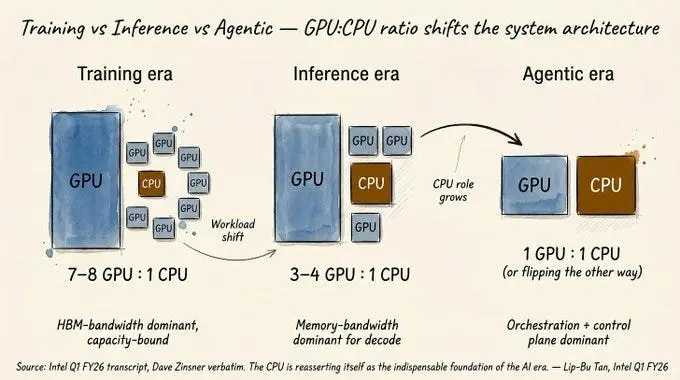
The Inference Inflection: Why AI Margins Now Live in Tokens, Not Training
In short: the cost and margin of an AI product have moved from one-time training to per-request inference, so your unit economics now rise and fall with token costs.
 LLM Economics
Claude Sonnet 5 Pricing: What $2/$10 per Million Tokens Means for Your Margins
Claude Sonnet 5 launches at $2 per million input tokens and $10 per million output tokens (introductory, through August 31, 2026), then $3/$15 - but a new tokenizer means your real cost depends on tokens per task, not the sticker rate.
 LLM Economics
The Economy of Tokens: Why Faster Inference Doesn't Always Cut Your AI Bill
Faster inference frameworks like DeepSeek's DSpark speed up output by 60 to 85%, but if you call a hosted API you pay per token, not per second, so your bill only drops when you control the serving stack or cut the tokens themselves.
 LLM Economics
Claude Sonnet 5 Pricing: What the Cheaper Agent Model Really Costs
Claude Sonnet 5 launches at $2 per million input tokens and $10 per million output tokens (introductory pricing through August 31, 2026), less than half the price of Opus 4.8, but a new tokenizer and a scheduled rate increase mean your real cost depends on the workload you run.
 LLM Economics
Anthropic's California Claude Discount: What a 50% Price Cut Really Does to Your LLM Costs
A 50% discount on Claude does not just halve your bill: it changes your effective cost per token, your gross margin, and the breakeven math on every AI feature you ship.
 LLM Economics
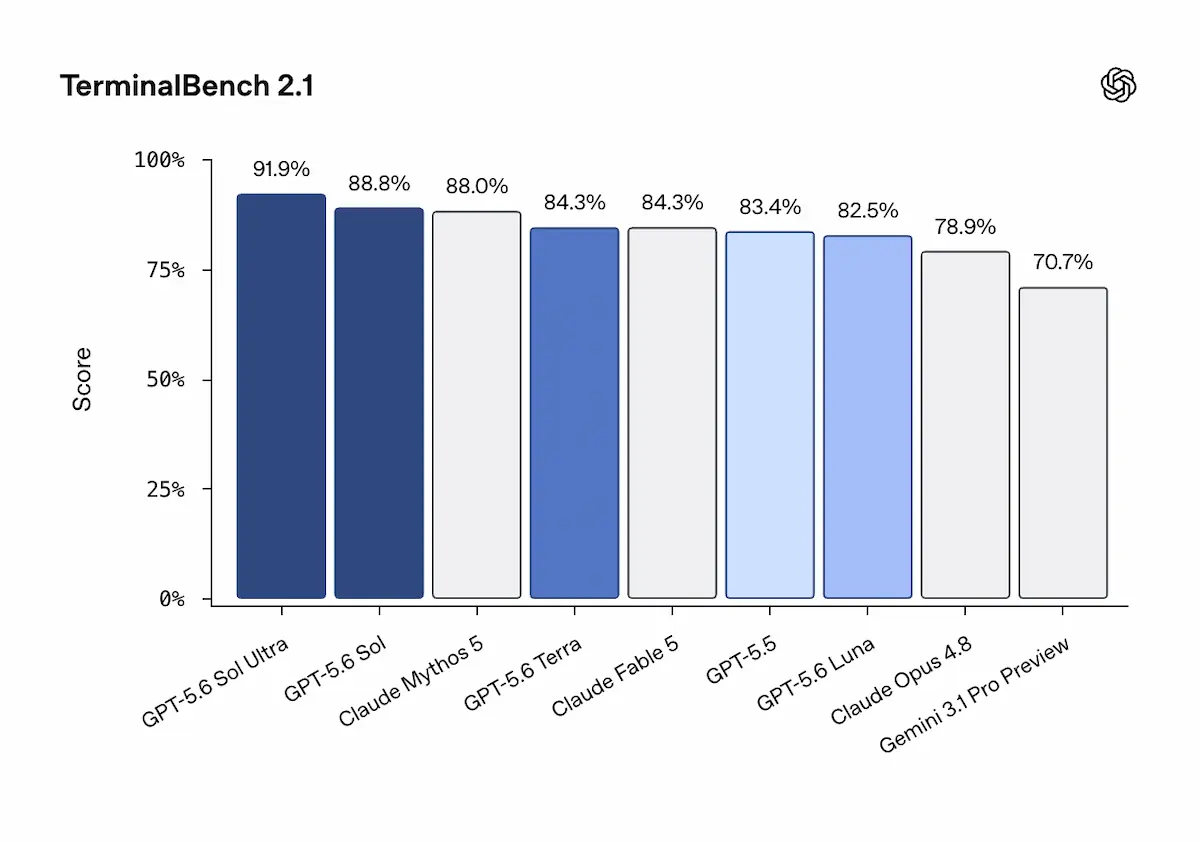
GPT-5.6 Pricing: What Sol, Terra, and Luna Cost per Token
OpenAI's GPT-5.6 family arrives in three priced tiers, Sol at $5/$30, Terra at $2.50/$15, and Luna at $1/$6 per 1M input/output tokens, which means your model pick now moves gross margin more than your prompt does.
 LLM Economics
Custom AI Chips Will Reshape Token Prices: What Builders Should Do Now
Custom silicon from OpenAI, Google, Apple and SpaceX is built to cut inference cost, but that does not guarantee cheaper API prices for you, so model your margins across price scenarios instead of betting on one rate.
Pricing math, in your inbox.
One short note a week on AI pricing, token economics, and margin. No spam, unsubscribe anytime.