What Nvidia's Vera Rubin Platform Means for Your Token Costs
Better performance-per-watt on the hardware side eventually shows up as lower token prices, but the timeline and who captures the savings first is worth understanding.
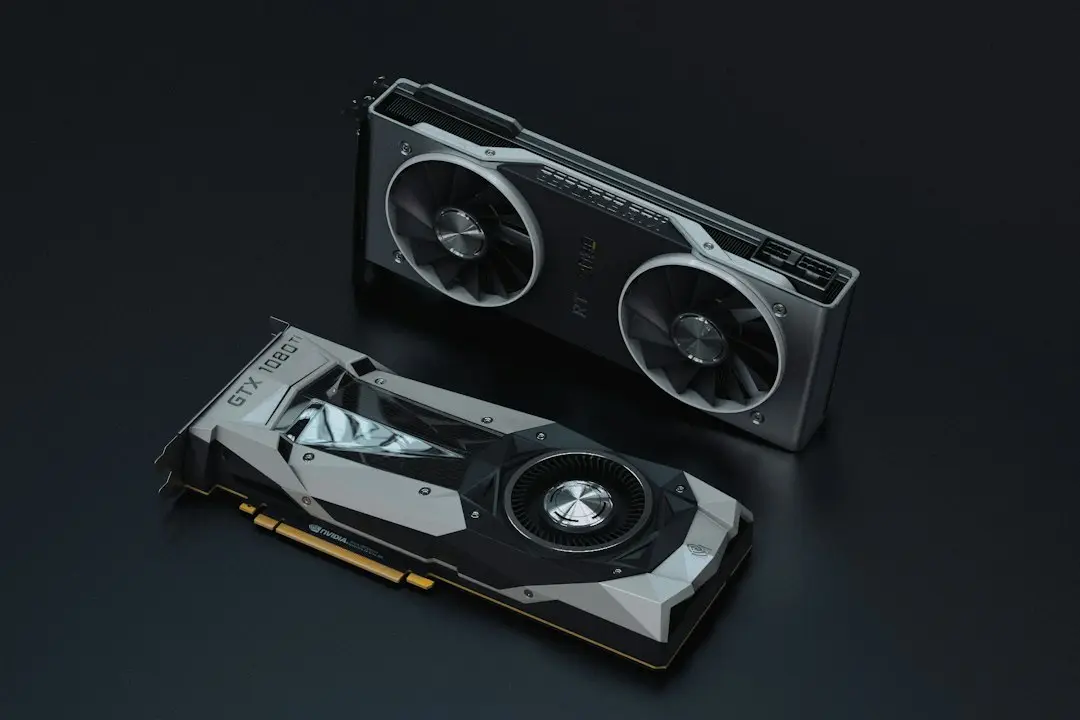
Key takeaways
- Nvidia's Vera Rubin platform is being positioned around performance-per-watt gains, which directly affects the compute cost of running inference at scale.
- Hardware efficiency gains typically reach end customers with a lag, providers capture margin first, then competition pushes savings through as lower per-token pricing.
- Historically, major hardware generations have preceded meaningful drops in per-token API pricing within 6-18 months.
- Betting on "prices will fall because of new hardware" is directionally sound but a poor basis for precise cost forecasting; build in a buffer, don't assume exact timing.
- Track actual published rate changes rather than hardware announcements when updating your own cost models.
What is performance per watt and why does it matter for AI costs?
Performance per watt measures how much computation a chip delivers for a given amount of power consumed. For AI inference at scale, power is one of the largest ongoing costs a provider bears, alongside hardware capital cost, so a meaningful improvement in performance per watt directly lowers a provider's cost to serve each token. Nvidia's Vera Rubin platform is being marketed around exactly this metric, framed as delivering the lowest token cost for partners running inference on it.
How does better hardware turn into cheaper tokens?
The mechanism is straightforward: a provider running inference on more efficient hardware spends less per unit of compute, which lowers their cost basis for serving each token. Whether that turns into a lower price for you depends on competitive pressure. If multiple providers adopt similar hardware and compete for the same customers, the cost saving gets passed through as lower per-token pricing over time. If one provider has exclusive or early access to superior hardware, they may capture the margin improvement instead of passing it on immediately.
How fast does that discount usually reach customers?
Historically, major hardware generation shifts have preceded visible drops in published API pricing within roughly 6 to 18 months, not immediately. Providers typically use a new hardware generation to expand margin or capacity first, then competitive pressure (either from rival providers adopting similar hardware, or from open-source/smaller models closing the capability gap) pushes the savings through as lower list prices. The lag varies significantly by provider and market conditions, so treat any specific timeline as a rough estimate, not a forecast.
What should founders actually do with this information?
Don't build a cost model around an assumed future price drop from a hardware announcement, that's speculation with a wide error bar. Instead, keep your cost model current with actual published rates and update it whenever a provider changes pricing, which is the point at which a hardware efficiency gain becomes real, usable savings for your business. Hardware announcements are a useful signal that price competition is likely to intensify, not a number you should plug into your model today.
The takeaway
Better performance per watt is a real driver of lower future token costs, but the timeline for it reaching your bill runs through provider pricing decisions, not the hardware announcement itself. Calcaas tracks live provider rate changes so your cost model reflects what's actually being charged, not what hardware suggests should eventually happen.
Frequently asked questions
Does better hardware immediately mean cheaper AI API pricing?
No. Hardware efficiency gains typically lower a provider's internal cost first; competitive pressure is what eventually pushes those savings through as lower published prices, often with a 6-18 month lag.
Why would a provider not immediately pass on hardware savings?
Providers can use efficiency gains to expand margin, fund more capacity, or subsidize other costs before competitive pressure forces price cuts. There's no obligation to pass savings through immediately.
Should I plan my pricing around expected future token cost drops?
Plan around currently published rates, and treat expected future drops as an upside scenario, not a certainty, since the timing and magnitude of pass-through are unpredictable.
How do I keep my cost model current as hardware and pricing evolve?
Track actual published provider rate changes rather than hardware announcements, and rebuild your unit economics model whenever a rate you rely on changes. (Note: place this JSON-LD inside a <script type="application/ld+json"> tag in the page head.)
More from the blog
 LLM Economics
Moonshot AI's 300 Billion Daily Tokens: What It Signals About the Model Market
A Chinese lab targeting $2B in revenue is notable, but the more useful number for founders is the sheer token throughput reshaping provider economics.
 LLM Economics
The Real Total Cost of an LLM Gateway: Why the License Fee Is Never the Whole Story
A vendor comparison of LiteLLM's enterprise pricing against a managed alternative shows why a $250/month license number hides most of the actual 3-year cost.
 LLM Economics
What Prompt Caching Actually Saves: The Token Math Behind LLM Gateways
Once caching is on, output tokens dominate your bill, so the input-token discounts everyone advertises matter less than you'd think.
Pricing math, in your inbox.
One short note a week on AI pricing, token economics, and margin. No spam, unsubscribe anytime.