Custom AI Chips vs NVIDIA in 2026: What It Means for Your Inference Cost
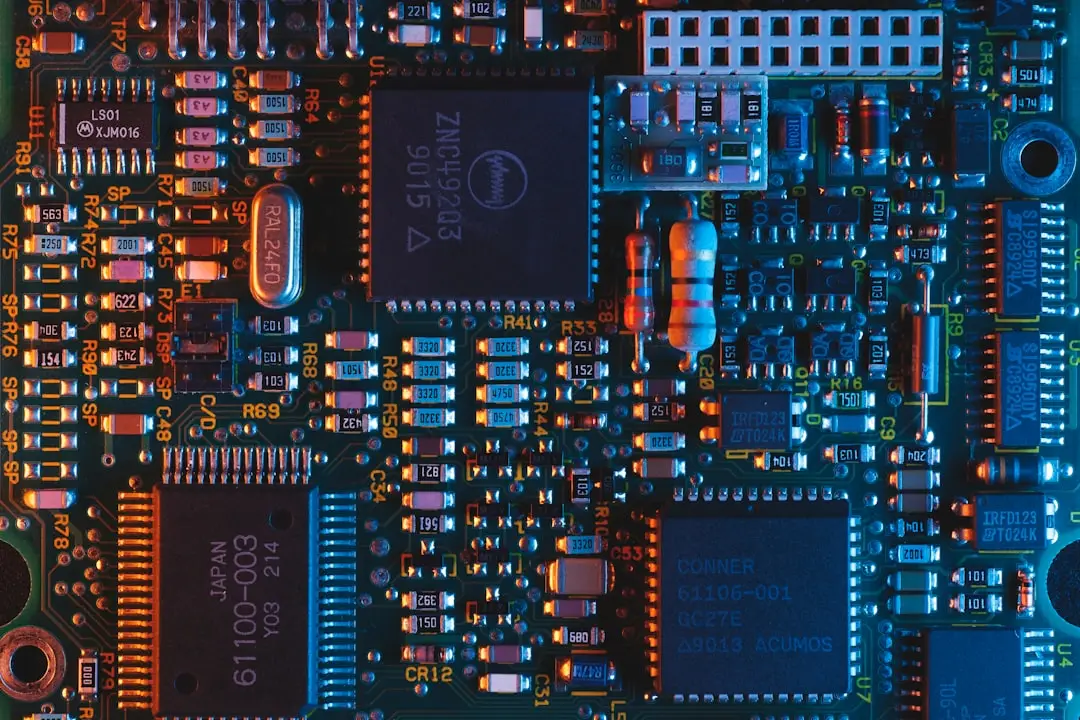
Hyperscaler custom chips like Trainium, Google TPU, Maia, and Meta MTIA are built to cut the provider's cost of serving AI, but that only lowers your bill if it shows up as a cheaper per-token price or GPU-hour rate.
Key takeaways
- Trainium 3, Google TPU, Maia 200, and Meta MTIA are in-house alternatives to NVIDIA GPUs.
- Custom silicon mainly improves the hyperscaler's serving margin, not automatically yours.
- The benefit reaches you only as a lower per-token price or lower effective GPU-hour rate.
- Lock-in is the trade: custom chips are tied to one cloud's stack.
- Judge any chip by your cost per token and portability, not by the silicon's spec sheet.
Why are hyperscalers building their own AI chips?
To control cost and supply. NVIDIA GPUs are expensive and, at times, scarce. By designing in-house accelerators (AWS Trainium, Google TPU, Microsoft Maia, Meta MTIA), hyperscalers aim to lower their own cost per token, reduce dependence on a single vendor, and tune hardware to their workloads. That is a margin and supply-chain strategy first, a customer-pricing strategy second.
Do custom chips make AI cheaper for you?
Only if the savings are passed through. This is the part worth sitting with. A cheaper chip improves the provider's unit economics whether or not they lower your price. The benefit reaches you in one of two forms: a lower per-token API price on services that run on the custom silicon, or a lower effective GPU-hour rate if you can rent it directly.
If neither shows up on your invoice, the custom chip has improved someone else's margin, not yours. So the question is not is the chip impressive, it is did my cost per token actually drop.
What is the catch with custom silicon?
Lock-in. Custom accelerators are tied to one cloud's stack, runtimes, and tooling. Committing to a provider's chip can lower cost per token while raising switching cost, which is exactly the trade NVIDIA's broad ecosystem was designed to avoid. The more your serving stack is tuned to one vendor's silicon, the harder and more expensive it is to move when pricing or availability changes.
How should a builder evaluate these options?
Hold two numbers in view: cost per token at your real utilization, and the cost to leave. A custom chip that cuts per-token cost meaningfully can be worth real lock-in if the workload is large and durable. For smaller or fast-changing workloads, portability across NVIDIA and others is often worth more than a modest per-token saving.
The framing to add: vertical integration moves the margin around, it does not guarantee you get it. Treat any custom-chip announcement as a prompt to re-check your own per-token price, not as a price cut you have already received.
The takeaway: custom chips change who captures the margin, so judge them by your cost per token and your switching cost, not by the spec sheet. You can compare per-token cost across providers and chips in Calcaas.
Frequently asked questions
What are Trainium, TPU, Maia, and MTIA?
They are custom AI accelerators built in-house by AWS, Google, Microsoft, and Meta as alternatives to NVIDIA GPUs. Each is designed to lower the provider's cost of training and serving models and to reduce dependence on a single chip vendor.
Do custom AI chips lower my costs?
Only if the provider passes the savings through as a lower per-token price or a lower GPU-hour rate. Otherwise the cheaper silicon improves the hyperscaler's margin, not your bill. Always verify against your own cost per token.
What is the downside of using custom silicon?
Lock-in. Custom chips are tied to one cloud's stack and tooling, which can lower cost per token while raising switching cost. The more tuned your stack is to one vendor, the more expensive it is to move later.
How do I choose between NVIDIA and custom chips?
Compare cost per token at your real utilization against the cost of lock-in. Durable, high-volume workloads can justify committing to cheaper custom silicon; smaller or changing workloads usually favor portable NVIDIA-based options. Note: place the JSON-LD above inside a <script type="application/ld+json"> tag in the page head.
More from the blog
 LLM Economics
Moonshot AI's 300 Billion Daily Tokens: What It Signals About the Model Market
A Chinese lab targeting $2B in revenue is notable, but the more useful number for founders is the sheer token throughput reshaping provider economics.
 LLM Economics
What Nvidia's Vera Rubin Platform Means for Your Token Costs
Better performance-per-watt on the hardware side eventually shows up as lower token prices, but the timeline and who captures the savings first is worth understanding.
 LLM Economics
The Real Total Cost of an LLM Gateway: Why the License Fee Is Never the Whole Story
A vendor comparison of LiteLLM's enterprise pricing against a managed alternative shows why a $250/month license number hides most of the actual 3-year cost.
Pricing math, in your inbox.
One short note a week on AI pricing, token economics, and margin. No spam, unsubscribe anytime.